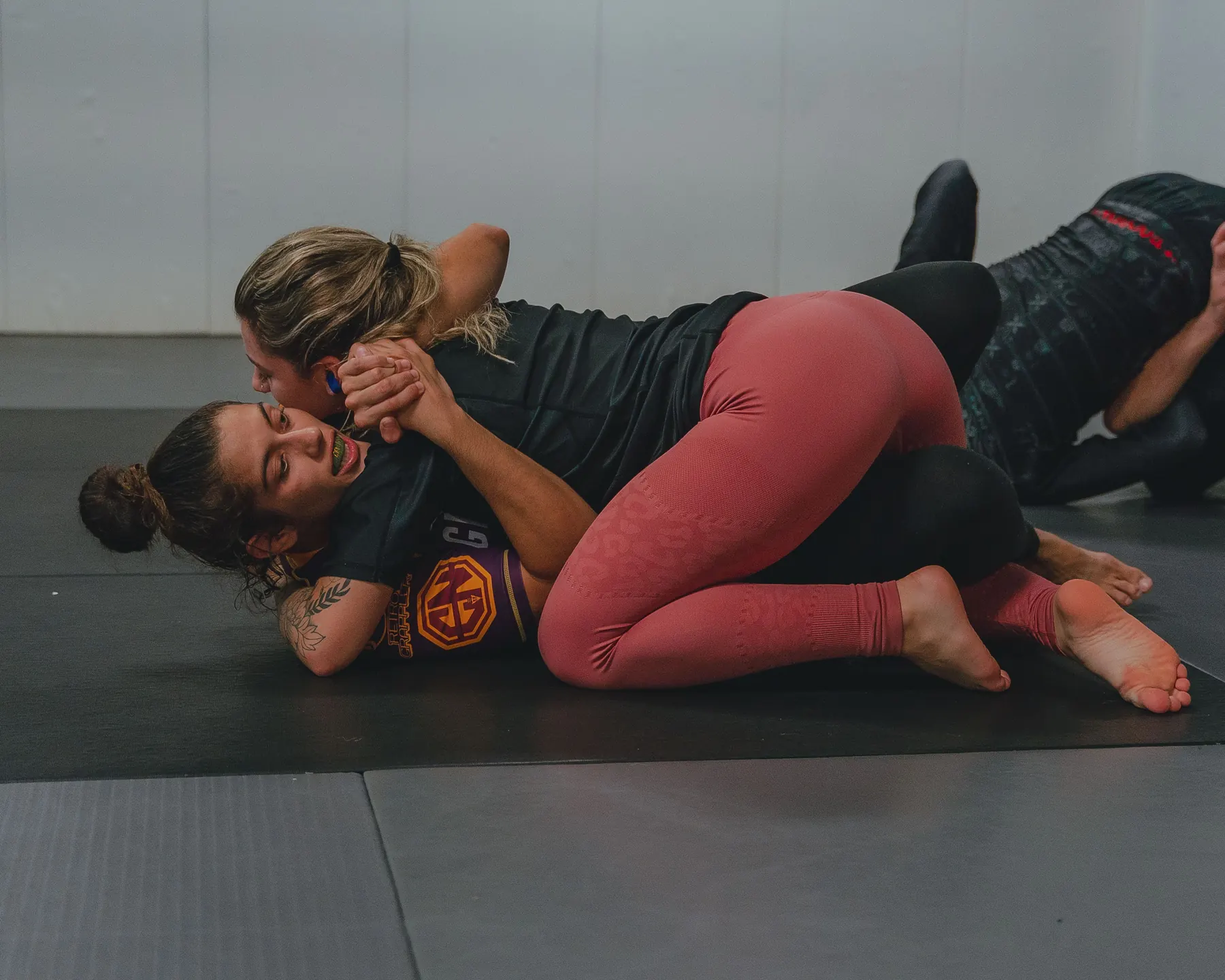
Start with what can actually change the fight
Before choosing techniques, identify the athlete’s strongest routes, the opponent’s most reliable threats and the positions where one small decision can change the entire exchange. A useful game plan should be short enough to remember and specific enough to train.
Decide the opening route
Know whether the athlete wants to wrestle, pull guard, counter the shot, play from top or create a specific grip sequence. The opening should connect directly to the athlete’s strongest phase.
Build positional funnels
Identify positions that naturally lead toward the athlete’s best passing, sweeping, back-taking or submission sequences. A strong plan narrows choices instead of adding more techniques.
Know the scoreboard
Rulesets differ. Points, advantages, penalties, legal submissions and overtime structure can change risk tolerance, so confirm the event rules before finalizing the plan.
Prepare for the stalled phase
Plan what happens if the opponent freezes the position, disengages or forces a slower grip battle. The athlete should have a way to restart progress without giving away unnecessary risk.
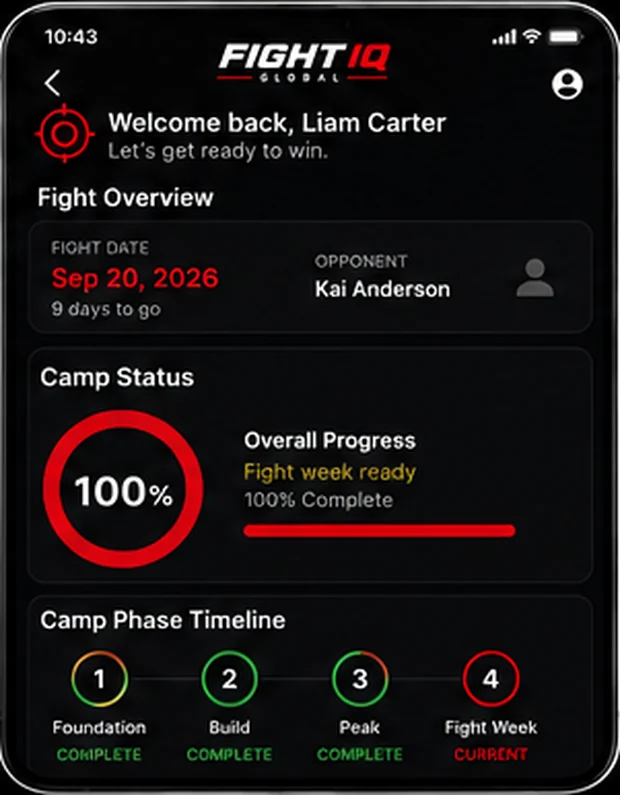
Turn the strategy into training
The plan should create visible changes in drilling, sparring, partner selection, pacing and corner language. If an observation does not change any preparation decision, it may not deserve much attention during camp.
Use the ruleset as part of the game plan
Organizations can differ in scoring, legal techniques, round structure and boundary rules. Confirm the current event rules and use them when deciding which exchanges are high value, which risks are acceptable and what the corner should watch for.