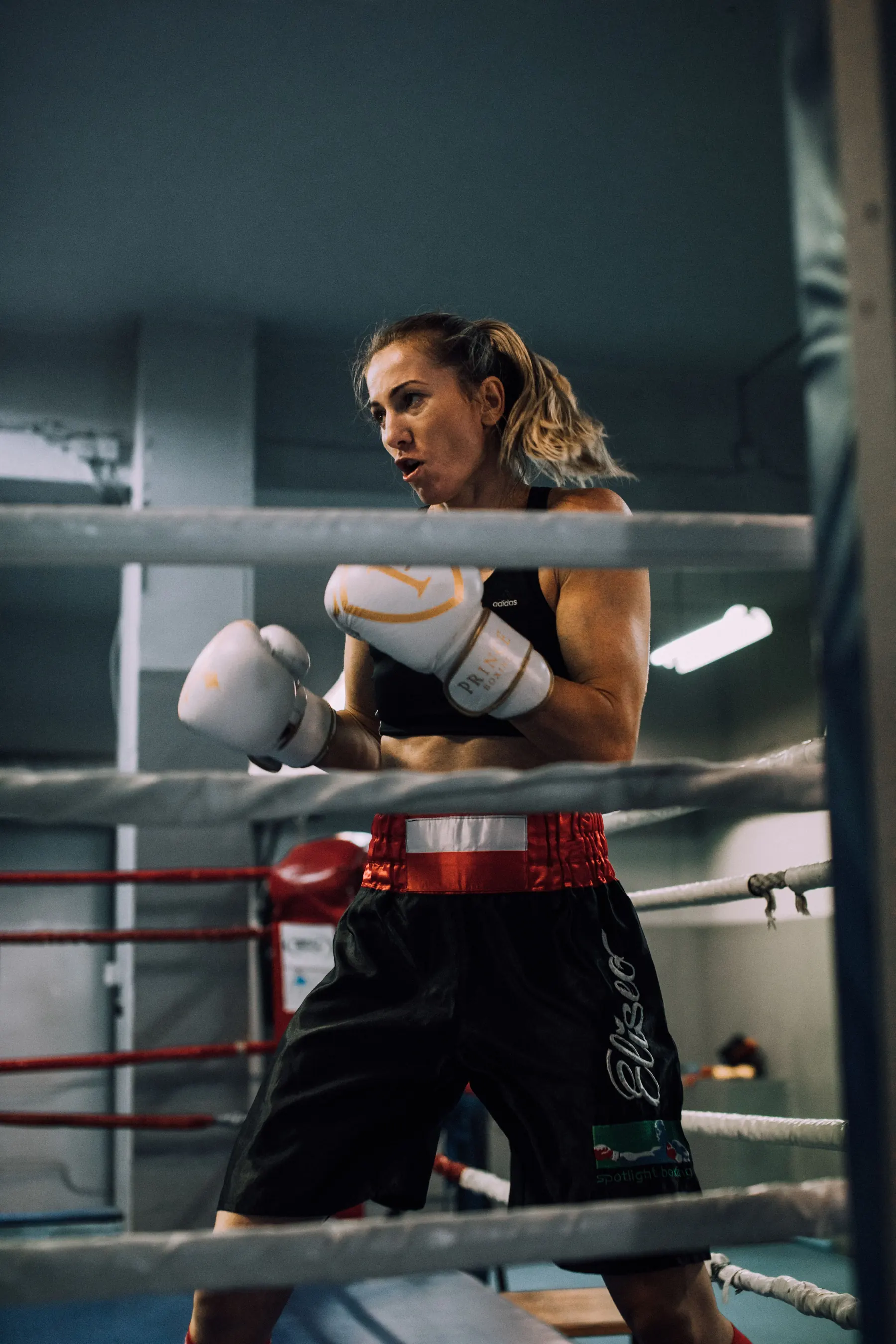
A useful fight-prep framework should make the athlete’s decisions clearer under pressure. The purpose of analysis is not to sound complex; it is to change what gets trained.
Look for repeated behavior, not isolated moments
One clip can show what happened; it does not always prove a tendency. Look for patterns across multiple exchanges or multiple fights: preferred range, stance habits, entries, exits, defensive reactions, pace changes, clinch choices, takedown patterns and ground preferences.
Separate observation from interpretation
Write down what you can actually see before deciding why it happened. “Drops the lead hand after the right kick” is an observation. “Gets lazy when tired” is an interpretation that needs more evidence. This separation helps coaches avoid building a camp around assumptions.
Map the opponent by phase
Break the fight into practical phases: open range, pocket, clinch, takedown entry, wall or boundary, top, bottom, scramble and reset. You do not need every phase in every sport, but the method helps reveal where the opponent becomes predictable.
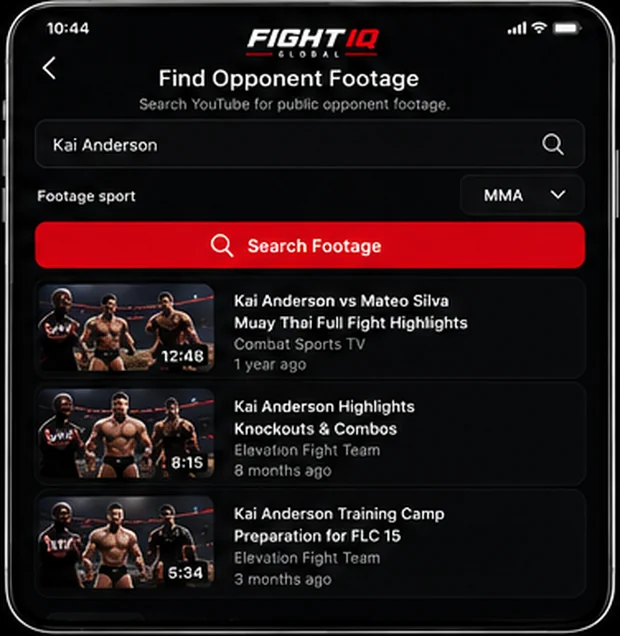
Track what happens after success and after failure
A fighter’s reaction after a successful attack can be as useful as the attack itself. Do they reset the same way? Exit to the same side? Chase immediately? After being stuffed, blocked or countered, do they repeat the attempt or abandon it? These reaction patterns are often easier to train against than isolated techniques.
Prioritize tendencies by impact
Not every pattern deserves equal camp time. Rank observations by how often they appear, how dangerous they are, how easy they are to reproduce in training and how well they match your athlete’s skills. High-impact, high-confidence tendencies belong near the top of the plan.
Turn footage into a coaching question
The final output of analysis should be a training question: What do we want the athlete to notice? What is the first response? What is the follow-up? Which sparring partner can reproduce the problem? Analysis becomes useful when it changes preparation.
Review with the coach
Fight IQ can help organize preparation, but generated analysis is not a substitute for qualified coaching judgment. The coach should decide what fits the athlete, what is safe, what is legal under the ruleset and what can realistically be trained before competition.