
Start with what can actually change the fight
Before choosing techniques, identify the athlete’s strongest routes, the opponent’s most reliable threats and the positions where one small decision can change the entire exchange. A useful game plan should be short enough to remember and specific enough to train.
Win the setup before the shot
Identify the ties, fakes, pressure and motion that give your wrestler the cleanest entry. Repeatedly shooting without winning position first usually increases energy cost and counter risk.
Prepare the re-attack
Many scoring opportunities appear immediately after the opponent commits. Drill the defensive reaction and the re-attack as one connected sequence.
Understand the edge
Rulesets handle step-outs, exposure and boundary positions differently. Use the event rules to decide when to pressure, circle, finish or protect position.
Plan the pace by phase
Hand fighting, explosive entries and mat work tax the athlete differently. Build a pacing plan that matches the athlete’s conditioning and the expected style of the opponent.
Turn the strategy into training
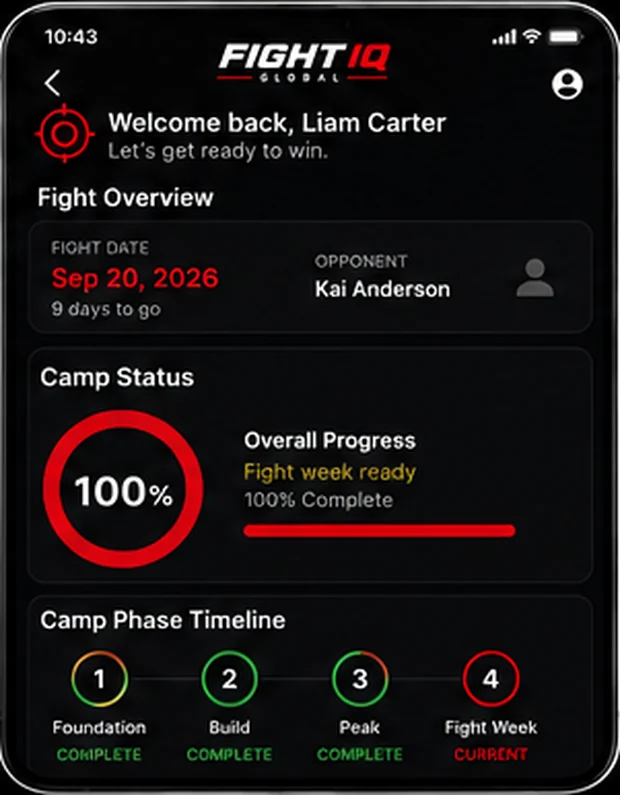
The plan should create visible changes in drilling, sparring, partner selection, pacing and corner language. If an observation does not change any preparation decision, it may not deserve much attention during camp.
Use the ruleset as part of the game plan
Organizations can differ in scoring, legal techniques, round structure and boundary rules. Confirm the current event rules and use them when deciding which exchanges are high value, which risks are acceptable and what the corner should watch for.